ASPIC

envie a um amigo share this

Patient-derived tumoroids recapitulate the morphologic and molecular features of pediatric brain tumors

Pediatric brain tumors are the leading cause of cancer-related deaths in children. Although modern genetic technologies have greatly improved our understanding of these tumors, turning this knowledge into safer and more effective treatments remains difficult. One major challenge is the lack of laboratory models that truly reflect the complexity and diversity of childhood brain tumors.
 
In this study, researchers successfully created 20 patient-derived “tumoroid” models grown in the laboratory from fresh tumor samples collected during surgery.

Organoides para tratamento personalizado de tumores cerebrais pediátricos

Os tumores cerebrais pediátricos são a principal causa de morte relacionada com cancro em crianças. Embora os avanços nas tecnologias genéticas tenham melhorado significativamente a compreensão destes tumores, transformar esse conhecimento em tratamentos mais eficazes e menos tóxicos continua a ser um grande desafio. Um dos principais obstáculos é a falta de modelos laboratoriais que representem fielmente a complexidade e a diversidade dos tumores cerebrais pediátricos.


Preclinical studies on the antitumor and non-toxic effect of combining pirfenidone with vinorelbine and carboplatin in non-small cell lung cancer

This work recently published in the “International Journal of Cancer"  demonstrated the possibility of repurposing pirfenidone (an antifibrotic drug) in combination with vinorelbine or with vinorelbine plus carboplatin for the perioperative treatment of non-small cell lung cancer (NSCLC), with the aim of improving therapeutic efficacy while reducing toxicity. This work resulted from a collaboration between the Cancer Drug Resistance group from i3S and the Experimental Pathology and Therapeutics Group, from IPO Porto.


Authors and Affiliations:

Estudos pré-clínicos sobre o efeito antitumoral e não tóxico da associação de pirfenidona com vinorelbina e carboplatina no cancro do pulmão de não pequenas células

Este trabalho, recentemente publicado no “International Journal of Cancer”, demonstrou a possibilidade de reposicionar a pirfenidona (um fármaco antifibrótico) em combinação com vinorelbina ou com vinorelbina mais carboplatina para o tratamento perioperatório do cancro do pulmão de não pequenas células (CPNPC), com o objetivo de melhorar a eficácia terapêutica e reduzir a toxicidade. Este trabalho resultou de uma colaboração entre o grupo Cancer Drug Resistance do i3S e o Grupo de Patologia Experimental e Terapêutica do IPO Porto.


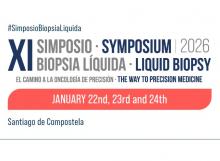
11th Liquid Biopsy Symposium

San Francisco Hotel Monumento, Santiago de Compostela, Spain


22-24 January, 2026


See more information here: https://tacticsmd.net/congreso/liquid-biopsy/

11th Liquid Biopsy Symposium

San Francisco Hotel Monumento, Santiago de Compostela, Spain


22-24 January, 2026


See more information here: https://tacticsmd.net/congreso/liquid-biopsy/

Congresso CIMAGO - Novos horizontes na oncologia moderna: riscos emergentes e novos paradigmas na gestão integrada do Doente

Subunidade 3 - Pólo Ciências Saúde - FMUC - Coimbra, Portugal


29-30 January, 2026


See more information here: https://www.uc.pt/fmuc/cimago/eventos/congresso-cimago-29-e-30-janeiro-2026/

Congresso CIMAGO - Novos horizontes na oncologia moderna: riscos emergentes e novos paradigmas na gestão integrada do Doente

Subunidade 3 - Pólo Ciências Saúde - FMUC - Coimbra, Portugal


29-30 January, 2026


See more information here: https://www.uc.pt/fmuc/cimago/eventos/congresso-cimago-29-e-30-janeiro-2026/

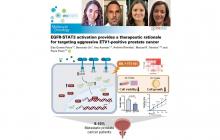
EGFR and STAT3 as therapeutic targets in ETV1-positive prostate cancer

Researchers from the Cancer Genetics Group at IPO Porto, in collaboration with the School of Medicine and Biomedical Sciences at the University of Porto (ICBAS), have uncovered a key singaling pathway driving the aggressiveness of prostate tumors that overexpress ETV1. The team found that simultaneous activation of the EGFR and STAT3 signaling pathways fuels the malignant behavior of these cancers.

EGFR e STAT3 como alvos terapêuticos em carcinoma da próstata ETV1-positivo

Investigadores do Grupo de Oncogenética do IPO Porto, em colaboração com o Instituto de Ciências Biomédicas Abel Salazar da Univerisdade do Porto (ICBAS), identificaram uma via de sinalização que impulsiona a agressividade de carcinomas da próstata com sobre-expressão de ETV1. A equipa de investigação descobriu que a activação das vias EGFR e STAT3 promove o comportamento maligno destes carcinomas.