ASPIC

envie a um amigo share this

Investigadores do CBMR descobrem composto químico que pode ser usado como arma nos tumores humanos

Uma equipa de investigadores do Centro de Investigação em Biomedicina, liderada por Wolfgang Link e composta por investigadores nacionais e internacionais, entre os quais Bibiana Ferreira e Susana Machado, também investigadoras do CBMR, acaba de publicar um inovador artigo científico na revista científica PLOS ONE, uma das mais conceituadas revistas internacionais de acesso aberto na área das ciências e da medicina.


The EACR image of the month is from a portuguese PhD student

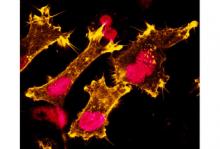
The EACR November image of the Month winner was sent by Patrícia Manuela Ribeiro Pereira, PhD student at the University of Aveiro, Portugal and the Faculty of Medicine at the University of Coimbra, Portugal. The image shows increased F-actin staining in human bladder cancer cells after photodynamic therapy. After plating the cancer cells, they were incubated with a photosensitizer compound and then irradiated. The cells were then stained with markers of F-actin (yellow) and nucleus (pink). F-actin, a component of cytoskeleton, has key roles in cell morphology and membrane integrity.

Total tumor load assessed by one-step nucleic acid amplification assay as an intraoperative predictor for non-sentinel lymph node metastasis in breast cancer

Authors and Affiliations:

Celso Nabais a, Joana Figueiredo a, Paulina Lopes a, Manuela Martins b, António Araújo a

a Department of Surgery, Centro Hospitalar Lisboa Central, Portugal

b Department of Pathology, Centro Hospitalar Lisboa Central, Portugal


Abstract:

Novel peptides for individualized therapy of claudin-low breast cancers

What are the main drawbacks in breast cancer early detection?

What is the breast cancer subtype with the worst clinical outcome?

Why are novel cellular targets important for targeted therapies?


Synergism between Docetaxel and a Polynuclear Pd-Spermine Agent

Combined administration of Pd2Spm and Docetaxel trigger a substantial synergetic effect regarding angiogenesis inhibition, but also anti-migratory and anti-proliferative effects, reinforcing the putative use of metal based Paladium complex molecules in chemotherapeutic regimens.


Authors and Affiliations:

Ana L.M. Batista de Carvalho-Unidade de I&D Química-Física Molecular, Department of Chemistry, University of Coimbra, Portugal.

Medicres International Conference Good Biostatistical & Publication Practice in Cancer Research with «Real World Data» (Hematology & Oncology)

Van swieten Saal - Med Uni Wien, Vienna, Austria

 
13 - 14 February, 2017
 
See more informations here: https://www.medicres.org/vienna-2017.html


ESMO Symposium on Signalling Pathways in Cancer

Melia Sitges, Sitges, Barcelona, Spain


17 - 18 March, 2017


See more informations here: http://www.esmo.org/Conferences/Signalling-Pathways-2017

Improved tumor cell models are paramount to overcome current shortcomings of pre-clinical research and drug discovery

The team from the Advanced Cell Models Laboratory in the Animal Cell Technology Unit, based at Instituto de Biologia Experimental e Tecnológica (IBET) and Instituto de Tecnologia Química e Biológica António Xavier (ITQB) has been invested on the development of novel advanced tumor cell models with the ability to recapitulate certain features of tumor microenvironment, namely their heterogeneity and complex cellular composition. It has been demonstrated by several authors that tumor microenvironment plays a major role on tumor progression and drug response.

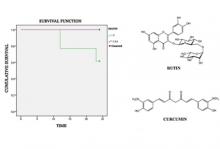
Two dietary polyphenols ameliorate systemic inflammation and wasting associated with HPV16-induced lesions in transgenic mice

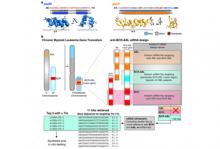
Peptides obtained from Dengue virus were used to deliver therapeutic siRNA to leukemia model cells

The authors developed a siRNA-based therapeutic approach in which the siRNA is delivered by pepM or pepR, two cell-penetrating peptides (CPPs) derived from the dengue virus capsid protein. These peptides have a dual role: siRNA delivery into cells and direct action as bioportides, i.e. intracellularly bioactive peptides, targetting cancer-related signaling processes.