Mariana Magalhães

envie a um amigo share this

Antitumor effect of the natural compound 7α-acetoxy-6β-hydroxyroyleanone (Roy) in glioblastoma cell models

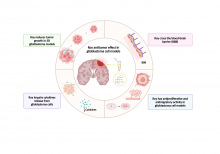
This study focuses on glioblastoma, a highly aggressive and deadly brain tumor characterized by a dismal 5-year survival rate of ~6% and the absence of effective treatments. This poor prognosis is largely due to tumor heterogeneity and the high rate of recurrence following conventional therapies. In this context, the researchers investigated the antitumoral potential of 7α-acetoxy-6β-hydroxyroyleanone (Roy), a natural compound isolated from the South African plant Plectranthus hadiensis Schweinf., to evaluate its ability to inhibit tumor growth.

Potencial terapêutico do composto natural 7α-acetoxi-6β-hidroxiroileanona (Roy) em modelos celulares de glioblastoma

Este estudo centra-se no glioblastoma, o mais agressivo e maligno tumor cerebral, caracterizado por uma reduzida taxa de sobrevivência aos 5 anos de aproximadamente 6% e pela ausência de tratamentos eficazes. Este prognóstico desfavorável deve-se, maioritariamente, à heterogeneidade deste tumor e à sua elevada taxa de recorrência.

Brief review of therapeutic innovations in the treatment of lung cancer

The discovery of crucial misexpressed genes in lung cancer allows a better understanding about the tumor microenvironment and the biomarkers that are a genetic fingerprint of this cancer. These biomarkers provide relevant knowledge to start the development of targeted therapies, overcoming the side effects and the development of resistances associated with the conventional treatments. Gene therapy and RNAi-based drugs are pointed out as promising and exciting new approaches to treat lung cancer.

Breve revisão de inovações terapêuticas no tratamento do cancro do pulmão

A descoberta de genes cruciais e mal-expressos no cancro de pulmão permite um melhor entendimento do microambiente do tumor e dos biomarcadores que são uma impressão genética desse cancro. Esses biomarcadores fornecem um conhecimento relevante para iniciar o desenvolvimento de terapias direcionadas, superando os efeitos colaterais e o desenvolvimento de resistências associadas aos tratamentos convencionais. A terapia génica e os medicamentos baseados em RNAi são apontados como novas e promissoras abordagens para o tratamento do cancro de pulmão.